
Primula vulgaris (Primrose)
Primula vulgaris
Hutton Roof
on 25th April 2021
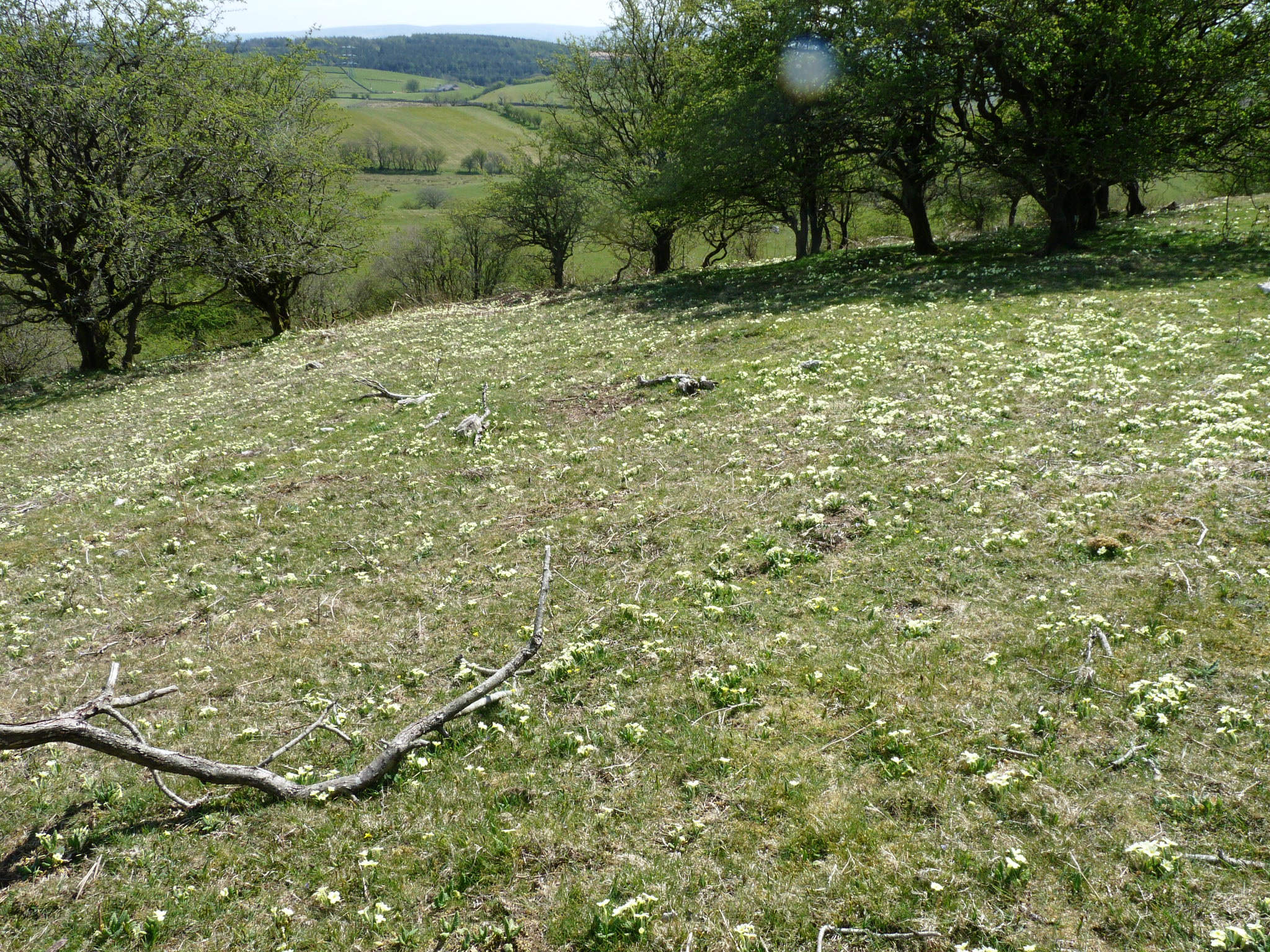
Sunday 25th April 2021 - Primrose Fields, Hutton Roof.

Sunday 25th April 2021 - Primrose Fields, Hutton Roof.

Sunday 25th April 2021 - Primrose Fields, Hutton Roof.

Sunday 25th April 2021 - Primrose Fields, Hutton Roof.

Sunday 25th April 2021 - Primrose Fields, Hutton Roof.

Sunday 25th April 2021 - Primrose Fields, Hutton Roof.

Sunday 25th April 2021 - Primrose Fields, Hutton Roof.

Sunday 25th April 2021 - Primrose Fields, Hutton Roof.

Sunday 25th April 2021 - Primrose Fields, Hutton Roof.

Sunday 25th April 2021 - Primrose Fields, Hutton Roof.

Sunday 25th April 2021 - Primrose Fields, Hutton Roof.
Primula vulgaris
Hutton Roof
on 17th April 2021
Another year on and they are not ready in full with thousands of young buds still to come through and I would imagine another 10 days will see them at their very very best. For now here are the photos from yesterday (17th April)


Primula vulgaris
Hutton Roof
on 16th April 2020
Another year on and again such a spectacle! It is so special to have somewhere like this right on your doorstep. Amongst the many primrose there was the occasional Cowslip, Early Purple Orchid and Dog Violets


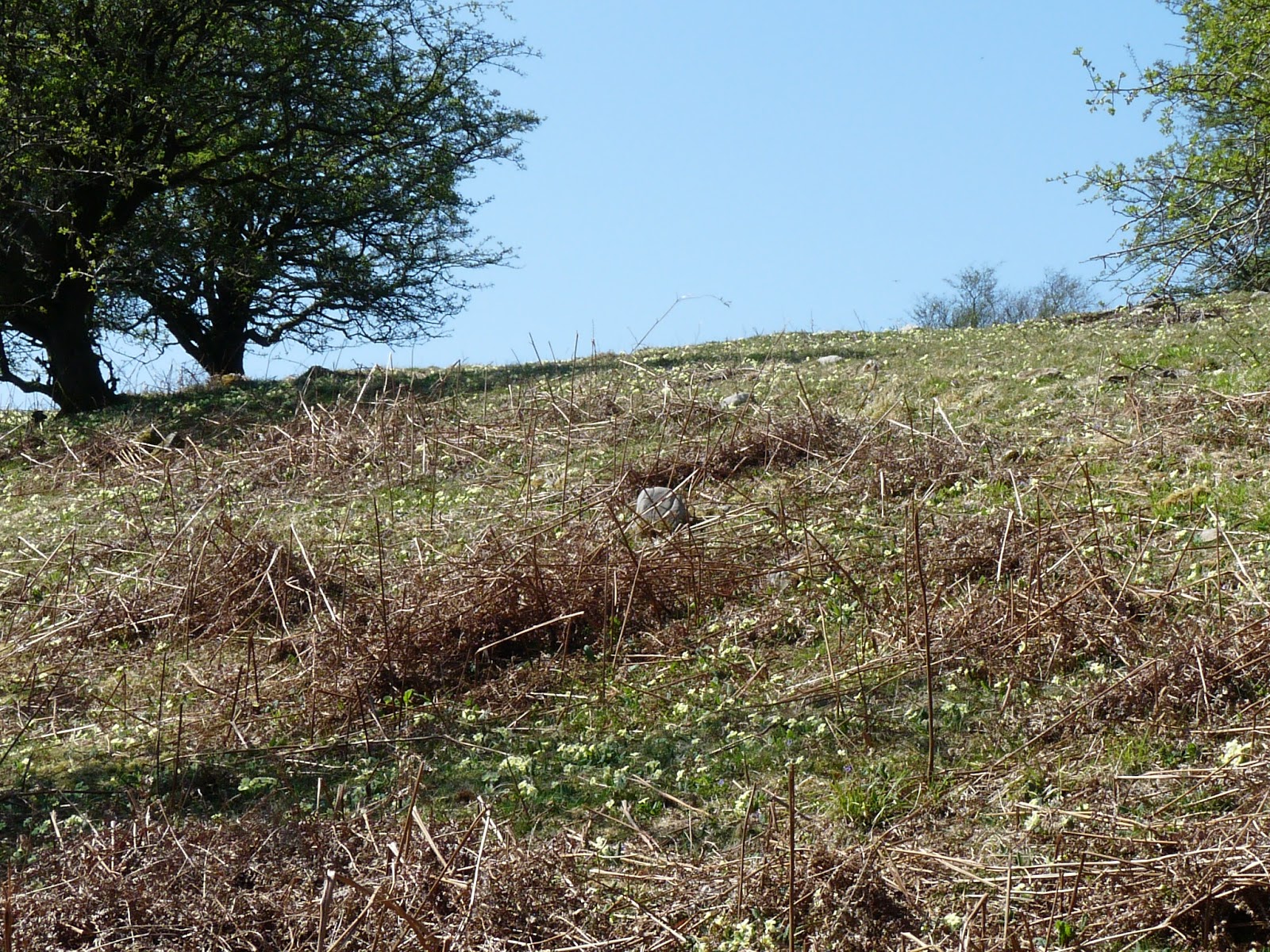


Primrose - Primula vulgaris
Photo: taken on 27th March 2019 - Dalton Crags
Just noticing today (28th January 2020) that the Primrose leaves are just starting to come through and it wont be long before we have the beautiful flowers all around our limestone habitats (late March). We do have little colonies throughout Dalton Crags, Lancelot, Burton and also over on the Stints, and on the Hutton Roof common.

Primrose (Primula vulgaris)
Photo: taken today 28th January 2020 - Dalton Crags
Already showing new sprouting leaves coming through.
But last year I was having a walk over on the Hutton Roof village side and stumbled upon a area which had so many it became almost impossible to walk without standing on them, it was the most amazing sight and a lovely game of "hopscotch". Fortunately I did manage to take a few photos so I can give you some idea of what it was like (Photos can be seen below).
I noticed that quite a large section were in an area which before long would be well overgrown with plenty of bracken ferns shading out the last remnants of the primula, and I did wonder if perhaps the bracken in turn was helping the primula, giving it plenty of warmth at the lower levels (I guess a sort of micro climate which would give the root system plenty of warmth especially during the Winter months). I had known about the Primrose and later the Cowslips having already visited the area in most years together from my notes from previous years, although I don't ever recall the plants being so prolific as they were in 2019! I must (and I will God permitting) try and get across there again this year, just to see if it was just a ordinary annual yield (which somehow I doubt!) or was it a special every so often yield!
There was a special reason for me being there last March and that was to try and evaluate the status of the primula, because the year before I was asked to try and help with the surveying of the plant both on Dalton Crags and Lancelot Clark Storth (Cumbria Wildlife Trust) and Hutton Roof in general. The reason was for me to pass on any information of my sightings to a lady working at the University of Cumbria. She and others were working on finding suitable areas that could possibly sustain reintroductions of the fabulous small butterfly the Duke of Burgundy. If something did ever come of that information then that would be great so I took the photos and submitted them to the butterfly people in question for their considerations and deliberations. I have as yet not heard anything further, it would be nice to find out!!
Dalton Crags and Hutton Roof did have good populations of the Duke of Burgundy butterflies during the prior to and including the 1950s, although they did hang on until about the 1980's before their sudden demise, but are now thought to be extinct within the area. Well the area I show the photos might just be the ideal place.....
2019 photos

Primrose (Primula vulgaris)
Photo: taken on 13th May 2019 - Hutton Roof
You can see from this photo you would struggle to walk in between the plants they are so compact at this particular area.

Primrose (Primula vulgaris)
Photo: taken on 13th May 2019 - Hutton Roof
You can see from this photo you would struggle to walk in between the plants they are so compact at this particular area.

Primrose (Primula vulgaris)
Photo: taken on 13th May 2019 - Hutton Roof
You can see from this photo you would struggle to walk in between the plants they are so compact at this particular area.

Primrose (Primula vulgaris)
Photo: taken on 13th May 2019 - Hutton Roof
You can see from this photo you would struggle to walk in between the plants they are so compact at this particular area.

Primrose (Primula vulgaris)
Photo: taken on 13th May 2019 - Hutton Roof
You can see from this photo you would struggle to walk in between the plants they are so compact at this particular area.

Primrose (Primula vulgaris)
Photo: taken on 13th May 2019 - Hutton Roof
You can see from this photo you would struggle to walk in between the plants they are so compact at this particular area.

Primrose (Primula vulgaris)
Photo: taken on 13th May 2019 - Hutton Roof
You can see from this photo you would struggle to walk in between the plants they are so compact at this particular area.

Primrose (Primula vulgaris)
Photo: taken on 13th May 2019 - Hutton Roof
Primula veris (Cowslip)

Cowslip (Primula veris)
taken on 29th April 2018 on Hutton Roof
Over the years I have seen lots of primula variants, but probably none like this one. I found this on the main woodland track within Lancelot Clark Storth (Cumbria Wildlife Trust) and I could not at first believe my eyes. Seeing a double version of the lower leaf structure being created at the top (flowering section) of the plant. Leaves in the position where you would expect petals!!! I checked it out the following year (2019) but I could not even find a plant.

Cowslip (Primula veris)
Photo: taken on 18th May 2018 in Lancelot Clark Storth (CWT)

Cowslip (Primula veris)
Photo: taken on 18th May 2018 in Lancelot Clark Storth (CWT)
The Hybrid between both Primrose (Primula vulgaris and the Cowslip (Primula veris) = Primula polyantha (False oxlip)
I found two separate populations to the NN West of Burton In Kendal in 2021. They stood almost alone within a high populated Bluebell Wood together with Wood Anemone and a population of Yellow Archangel. I checked the surrounding areas and found closeby (30 ft away) primrose in good numbers yet I could not find the parent Cowslip. Also within a area of some 30 yards I found another smaller population. Here are the photos below depicting the hybrid.


Please note the hybrid can be recognized by the long sprawly stalks which make a posy diameter of some 4". You can see the best examples in the 2nd photo down together with the bottom photo just above these notes. Use this to help against other diagnosis - simply because other have reported that some abnormal primroses which are not hybrids have been know to show this as well.
Another good pointer to take into consideration is the shape of the leaf

Top: Primrose
Middle: Cowslip
Bottom is the hybrid between the two P. polyantha or False Oxlip

Primrose

Cowslip

False Oxlip (eg: hybrid of the two above)
Studies of the hybrid x polyantha
in progress

Note the "ruff" edging to the hybrid leaf, for comparison see below.

Bottom leave is from Primrose (primula vulgaris)
One thing that stands out a mile for me is that the hybrid shows differences to the vulgaris by having a sort of "Ruff" or slightly "concertinered" or crispum folded border. Also the tapering is far more gradual. The top of the leaf is slightly more oval in shape to the more rounded vulgaris. The vulgaris has more length with the hairs (bristles) than what you get with either Cowslip or the hybrid polyantha. And this is far more pronounced towards the bottom half and narrower parts of the leaf.


