Friday, May 28, 2021

Heracleum sphondylium - Hogweed


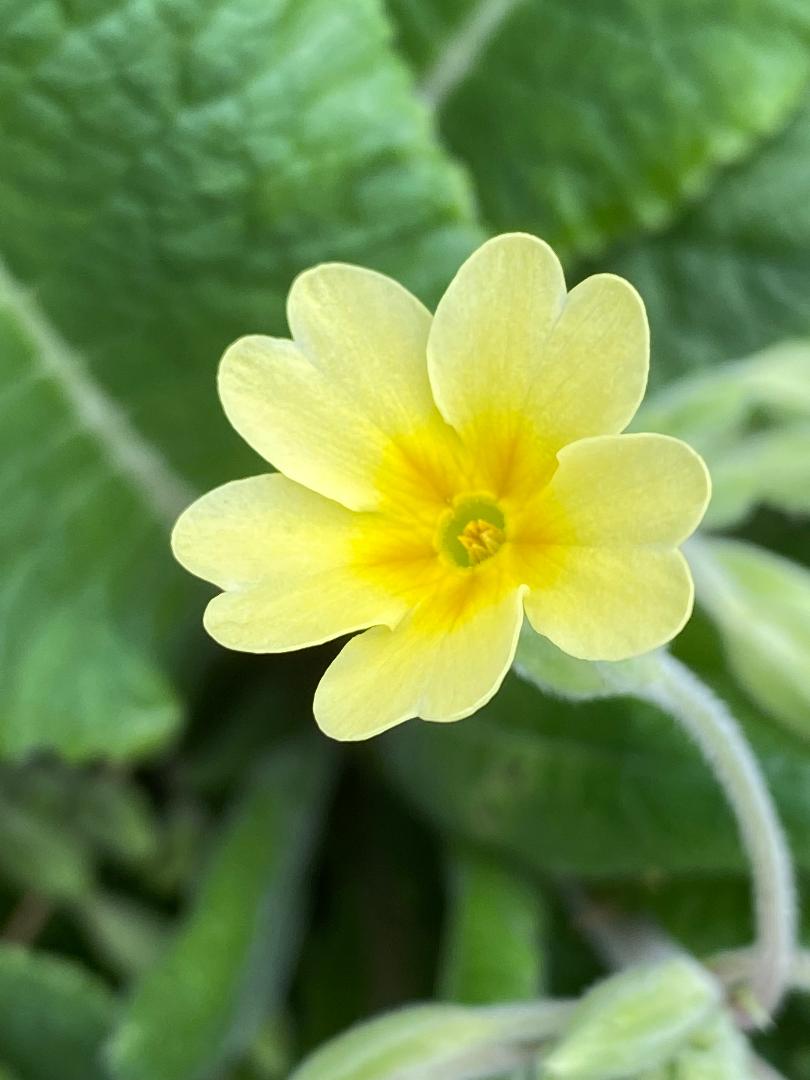
This plant is seen on Slape Lane whilst on your way up towards Hutton Roof, a giant of a plant and the leaves are very hairy and I have noticed are a good thing for holding water retention for insects.




Monday, May 17, 2021

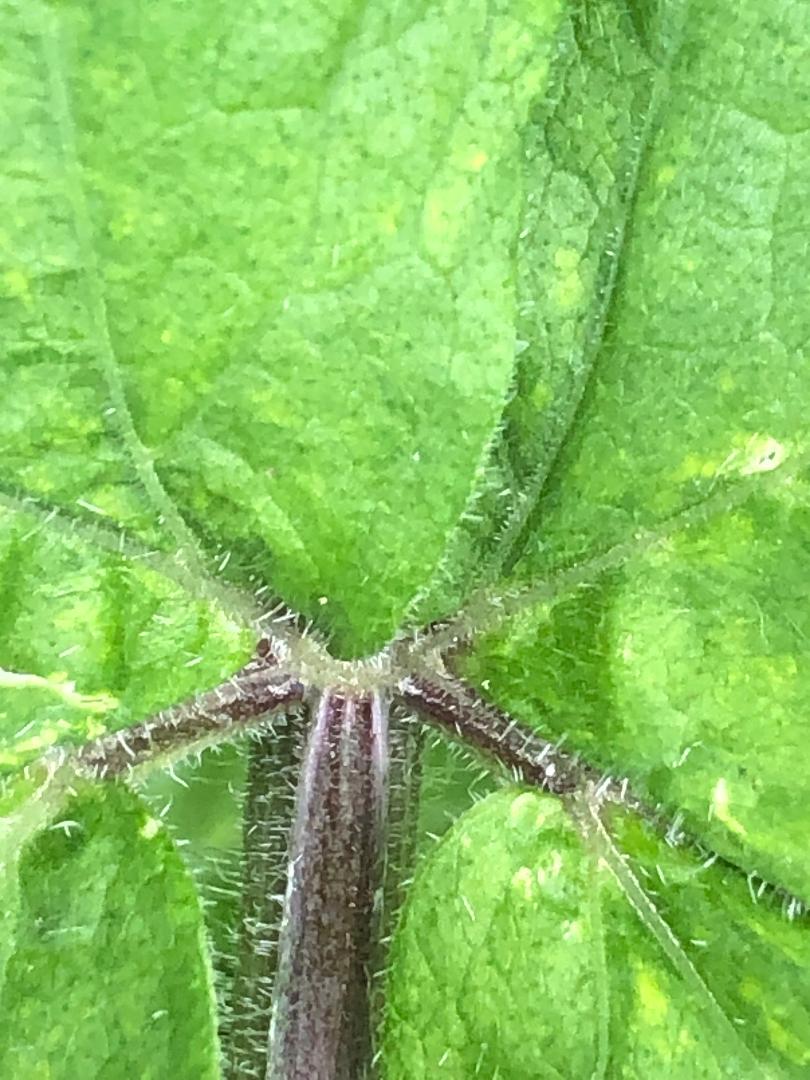
Taraxacum agg. (Dandelion)


Seen throughout our area, dense in places especially hedgerows and meadows

Photos below showing it at different stages


Ficaria verna (Lesser Celandine)


One of the first plants of the year which has terrific spread, with even local meadows full of it. 


This photo above shows Lesser Celandine having flowered and going back to seed
Photo: taken on Slape Lane, Burton on 13th May 2021.

Geranium lucidum - Shining Cranesbill


Shining Cranesbill (Geranium lucidum)
Photo: Lancelot Clark Storth (CWT) on 16th May 2021


I found this species just on entering Lancelot Clark Storth.  At first I thought it was Herb Robert but it was only about 5mm across the full flowerhead making it about the 1/3rd size of Herb Robert. 


The above top left photo shows the regular Herb Robert Geranium robertianum) and the top right its leaf profiles.  And on the bottom for comparison we have Shining Cranesbill (Geranium lucidum). You get some idea of the size from the pen placed to its side. 


Shining Cranesbill = Yellow anthers
Herb Robert = Red anthers


Shining Cranesbill (Geranium lucidum)
Photo: Lancelot Clark Storth (CWT) on 16th May 2021
this photo shows both the leaf profile and size related


Tuesday, May 11, 2021

Primula hybrid x polyantha (hybrid between Primrose and Cowslip) (Early to mid May)


 Studies of the hybrid x polyantha

(Click over the photo to get the best view)

above - The Flowers shown in their groups (posies)

Left: Primrose (P. vulgaris)
Middle: Cowslip (P. veris)
Right: Hybrid False oxlip (P. polyantha)

You can see from the above photo the hybrid on the right has a typical cowslip look about it at first glance with the flowers sat bunchlike at the top of a large stalk.

Yet when you look closely at the flowers of the hybrid they are not together on short stalks like you generally get with cowslips (see middle photo), and on the hybrid they have longer individual stalks from each of the flowers to the main stem, a feature you associate more with the Primrose. So the plant is again taking on features between both parents. 

(Click over the photo to get the best view)

(above) The Flower head arrangement

Left: Primrose (P. vulgaris)
Middle: Cowslip (P. veris)
Right: Hybrid False oxlip (P. polyantha)

With the hybrid to the far right you notice it takes on from both parent species (P. vulgaris x P. veris). At the first look it has the stance of a Cowslip, but when you look closer you note the colour of the flowers are much lighter than a regular Cowslip although they are not as light a yellow as a regular Primrose. So I find it best to look at it as a in-between as maybe expected with a typical hybrid.  

Next the flower head arrangement stands out a mile as being different, again at first it gives off the Cowslip look but soon you notice the flower arrangement is different with the flowers at the end of long stems again a factor you notice with the primrose more so than a Cowslip, so again we have the in-betweener factor.

Just to clarify the difference in flower colours

(Click over the photo to get the best view)


Left: Primrose (P. vulgaris)
Middle: Cowslip (P. veris)
Right: Hybrid False oxlip (P. polyantha)


"A Club, A Spade and a in between"

(below) "The leaf from above"

(Click over the photo to enlarge)

(above) Top side of leaf
Top: Primrose (P. vulgaris)
Middle: Cowslip (P. veris)
Bottom: Hybrid False oxlip (P. polyantha)

I have called the Primrose (P. vulgaris) the Club, because of the shape of the leaf.  It is far more round at the top of the leaf than the other two which are more oval shape.  The main factor of difference for me is that the Primrose leaf lies almost flat and does not show ruffling to the edge as you can see is very pronounced especially within the hybrid leaf. I have noticed this ruffling with all the leaves on the main study plant. 

(below) Shows the leaf from the underside

Click over the photo to enlarge

(above) Underside of leaf

Top: Primrose (P. vulgaris)
Middle: Cowslip (P. veris)
Bottom: False oxlip (P. polyantha)

Below - Shows two examples of the hybrid leaf
a leaf of about 8" and a leaf of about 5"

Both top and bottom are underside leaves from the hybrid - x polyantha.
Note the "ruff" edging to the hybrid leaf, for comparison see below.

(below) shows the underside of both the hybrid (top) and the primrose (below)


Top leaf is from the hybrid - x polyantha
Bottom leaf is from Primrose (primula vulgaris)

It is very noticeable that the hybrid (top) has a ruffled edge (crinkled), whereby the regular primrose (P. vulgaris) is almost flat in comparison. 

The shape of the top of the leaf seems does appear slightly more rounded with the Primrose (P. vulgaris) compared to more oval in the Cowslip or the hybrid, although this is not applicable to all .

A really good pointer is the tapering of the lower part of the leaf on the hybrid is more gradual over the length of the leaf, and seems much more sharper of a taper with the primrose (P. vulgaris) 

Another sure way to tell is that the hairs on the underside of the leaf seem to be far longer in the case of the Primrose (P. vulgaris) and far easier to capture in a photo, than the shorter bristles afforded on both the Cowslip or the hybrid itself. 

(below) Hairiness of the underside of the leaves

(Click over the photo to enlarge)

Left: Primrose (P. vulgaris)
Middle: Cowslip (P. veris)
Right: Hybrid False oxlip (P. polyantha)

The Primrose on the left seems to be much longer hairs than both the Cowslip or the hybrid.

Below are some nice early photos of the False Oxlip showing on 14th April 2022.


Photo showing False Oxlip - the hybrid (Primula x polyantha)
taken on 14th April 2022 (private Woodlands Burton In Kendal.


Photo showing False Oxlip - the hybrid (Primula x polyantha)
taken on 14th April 2022 (private Woodlands Burton In Kendal.


Photo showing False Oxlip - the hybrid (Primula x polyantha)
taken on 14th April 2022 (private Woodlands Burton In Kendal.


Photo showing False Oxlip - the hybrid (Primula x polyantha)
taken on 14th April 2022 (private Woodlands Burton In Kendal.


Photo showing False Oxlip - the hybrid (Primula x polyantha)
taken on 14th April 2022 (private Woodlands Burton In Kendal.


Photo showing False Oxlip - the hybrid (Primula x polyantha)
taken on 14th April 2022 (private Woodlands Burton In Kendal.


A really nice photo showing the early stages of "head" development. Note how hairy throughout and the deep red at the top of the stem.
Photo of False Oxlip (Primula x polyantha) on 14th April 2022. 

Saturday, May 8, 2021

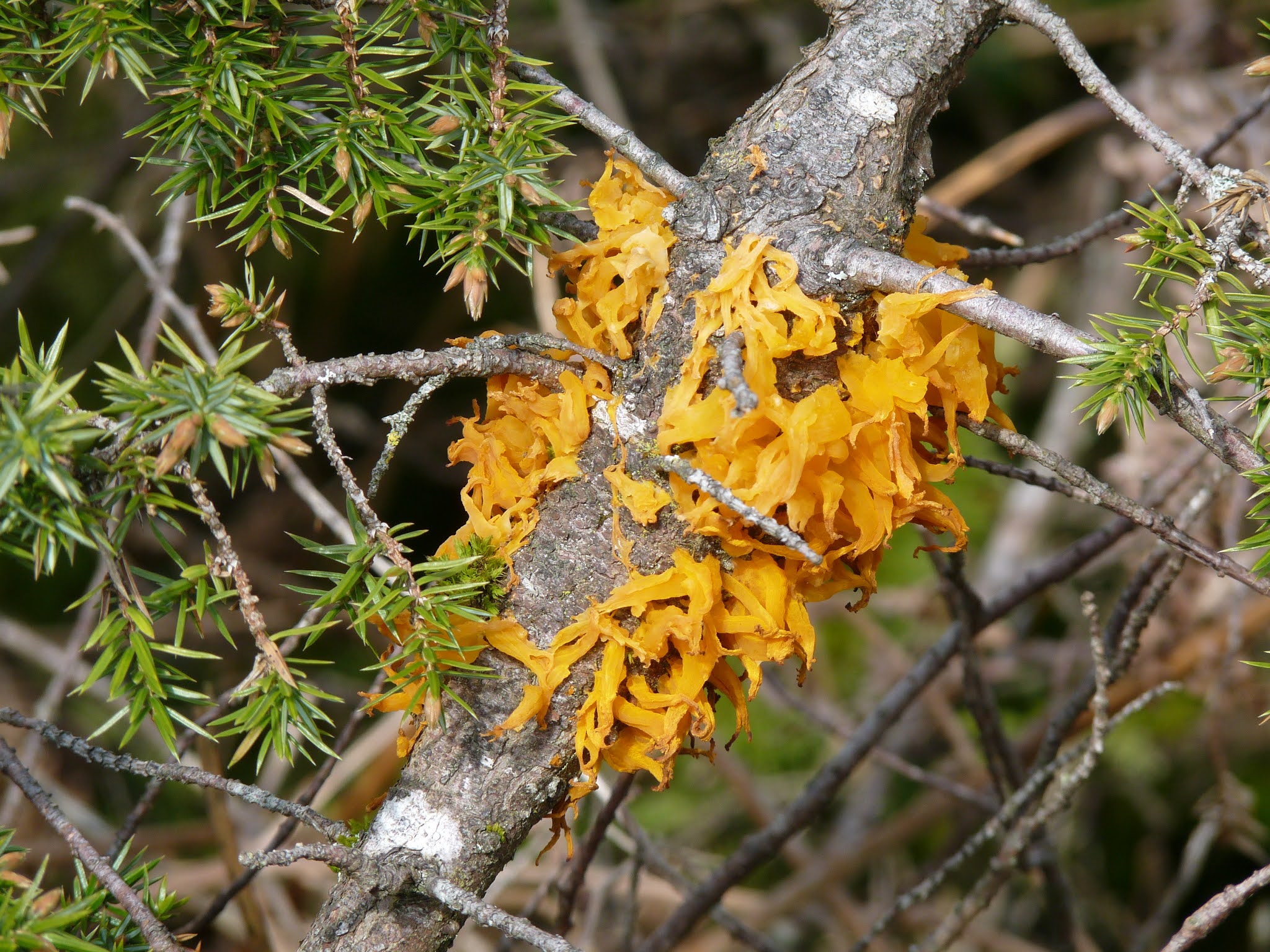
Gymnosporangium clavariiforme (Cedar Apple Rust fungi)


"Tongues Of Fire"

This is an fungi which I first started to notice last year when I was walking through Holme Stinted Pastures, near Burton In Kendal. It seems to take over some of the more ancient Juniper trees. I am told it is also prevalent on Scout Scar.

Yesterday (7th May 2021) I was again in the same area actually photographing Early Purple Orchids, although sadly these had been almost demolished with all the heavy rain we have had recently.  Yet I did notice from a couple of the Junipers which were well spread out from one another that they bore the Gymnosporangium clavariiforme or the Cedar Apple Rust fungi.  I would have estimated that the fungi was one to two days old at the best and would be gone within the period of the next couple of days. It does not last long and seems to disappear without trace. 

Here are some of the photos from yesterday, I hope you enjoy.  Please let me know if you want any further details.


Friday, April 30, 2021

Hybrid Avens - Geum. x intermedium (eg: Geum rivale x geum urbanum = Water Avens and Wood Avens)


Geum intermediate (G. rivale x G urbanum)
or the hybrid of Water Avens x Wood Avens
Photo: Slape Lane on 13th May 2021


This beauty is found on Slape Lane, just after the area "Bullfinch plantation" which is marked on the top bar of a fence. 

There is heavy populations of both Water (40 plus) and Wood Avens present in the nearby vicinity and you can see the Avens intermingled with the leaves of anemone to either side of the banking. 

The hybrid obviously is rarer and harder to find, but it's there and you first become aware of it's precence by its beautiful yellow petals.  The hybrid takes on more of the look of the water avens in profile, however the petals take on the colour of the Wood Avens eg: yellow.  Also if you note the petals shown in this examples also bave petal edge shape resembling the edges of the Wood Avens.  See differences from the following photos (taken on 30th April 2021)


This photo above shows the two parent species and the hybrid eg: Top photo left is the Water Avens (Geum rivale) and the Top photo right is showing the underside. The middle left photo shows the Wood Avens with the middle right showing it's underside. And finally at the bottom left you see the hybrid and to the bottom right the underside. 


This photo shows both hybrid intermediate on the left and the water Avens to the right, you can see they do have some similar build with the sepals etc, but the petals are totally different to one another, first in colour and secondly in the shape.  With the hybrid you get the yellow petal and the more rounded edge at the bottom of the petal. (photo taken on Slape Lane, Burton In Kendal on 30th April 2021)

Here below is a new photo taken on 7th May 2021 from the near Rowley Copse population which lies about 1/2 mile distant from Population 1 and it lies very much within shade of a banking with canopied trees. I have noticed here they are later in coming through by up to one week. The petals here definately tend to be on a lighter side of things and may well be an intermediate, here below now are some photos of Population 2. to be cont


This photo shows the water avens. (photo taken on Slape Lane, Burton In Kendal on 30th April 2021)


This photo shows the water avens (inside). (photo taken on Slape Lane, Burton In Kendal on 30th April 2021)


This photo shows the water avens. (photo taken on Slape Lane, Burton In Kendal on 30th April 2021)


This photo shows the rarer hybrid avens. (photo taken on Slape Lane, Burton In Kendal on 30th April 2021)


This photo shows the rarer hybrid avens with other buds awaiting opening. (photo taken on Slape Lane, Burton In Kendal on 30th April 2021)


This photo shows the rarer hybrid avens from the inside/underside. (photo taken on Slape Lane, Burton In Kendal on 30th April 2021)


This photo above shows both Avens species or at least Wood Avens and many intermediary of the hybrids.


Top: Water Avens
Middle: Wood Avens
Bottom: Hybrid intermediate (G. rivale and g.urbanum)